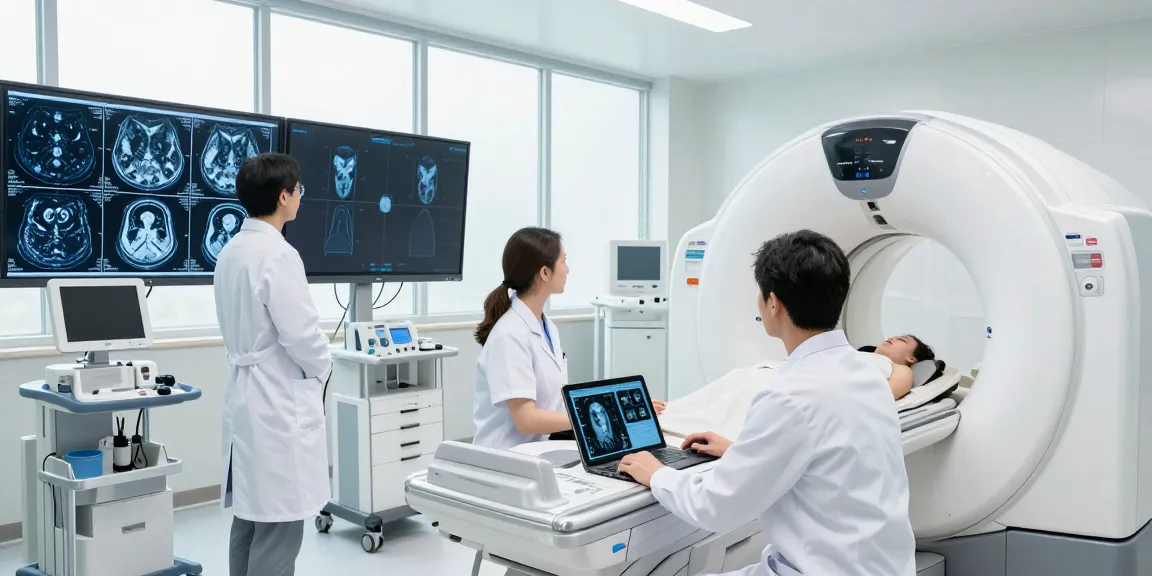
Understanding Medical Imaging Equipment
Medical imaging equipment plays a pivotal role in modern healthcare, providing critical insights that shape patient diagnosis and treatment. As technological advancements continue to emerge, understanding this equipment becomes essential for both healthcare professionals and patients alike. Through various imaging techniques, medical imaging equipment allows for the visualization of internal structures, leading to more accurate diagnoses and better outcomes. When exploring options, medical imaging equipment offers comprehensive insights into the complex world of diagnostic technology.
What is Medical Imaging Equipment?
Medical imaging equipment refers to a range of devices that create visual representations of the interior of a body for clinical analysis and medical intervention. These tools are indispensable in areas such as radiology, pathology, and all fields of medicine that require an understanding of internal bodily processes without invasive surgery. Common modalities include X-rays, CT scans, MRIs, and ultrasounds, each serving unique functions but sharing the common goal of enhancing patient care through precise diagnostics.
Types of Medical Imaging Technologies
There are several types of medical imaging technologies, each tailored to different diagnostic needs:
- X-Ray: The most commonly used technique for visualizing bones and detecting fractures.
- Computed Tomography (CT): Combines multiple X-ray images for detailed cross-sectional views of organs.
- Magnetic Resonance Imaging (MRI): Utilizes strong magnetic fields and radio waves to generate detailed images of soft tissues.
- Ultrasound: Uses high-frequency sound waves to create real-time images, commonly used in prenatal care.
- Positron Emission Tomography (PET): Provides metabolic information and is often used in cancer detection.
The Importance of Accurate Imaging in Healthcare
Accurate imaging is crucial in healthcare as it can significantly impact clinical decisions. Misdiagnosis or misinterpretation of images may lead to inappropriate treatments, worsening patient outcomes. Ensuring the accuracy of imaging results requires not only advanced technology but also skilled technicians who can operate the devices correctly and interpret the images effectively. Consequently, a comprehensive approach to training and equipment maintenance is vital to uphold the standards of medical imaging.
How Medical Imaging Equipment Functions
The Science Behind Imaging Techniques
The scientific principles behind medical imaging techniques are rooted in physics and biology. For instance, X-ray imaging relies on the differential absorption of X-rays by various tissues, while MRI exploits the properties of hydrogen atoms in the body’s water molecules. These fundamentals enable clinicians to visualize internal structures, assess abnormalities, and make informed decisions regarding patient care. Understanding these scientific underpinnings helps in refining imaging techniques and improving diagnostic accuracy.
Operational Procedures for Medical Imaging Equipment
Operational procedures for medical imaging equipment include several critical steps to ensure safety and effectiveness:
- Patient Preparation: Essential to ensure comfort and compliance, including informing patients about the procedure and any necessary dietary restrictions.
- Equipment Calibration: Regular calibration guarantees that imaging devices function at peak performance, providing accurate results.
- Image Acquisition: Operating the equipment requires specialized knowledge of settings and techniques to capture the best images.
- Image Analysis: Radiologists and technicians must interpret the images to identify any issues accurately.
- Post-Procedure Care: Patients may require follow-up assessments or additional imaging, which necessitates clear communication and proper documentation.
Common Challenges in Imaging Accuracy and Solutions
While medical imaging technologies are advanced, several challenges can affect imaging accuracy:
- Patient Movement: Even slight movements can distort images, making it essential to use immobilization techniques and ensure patient comfort.
- Improper Equipment Calibration: Regular maintenance and checks can prevent inaccuracies due to equipment malfunction.
- Operator Error: Continuous education and training for operators can help mitigate errors in image acquisition and analysis.
- Radiation Exposure: Employing the lowest effective dose of radiation is crucial for patient safety, particularly in repeated imaging scenarios.
Innovations in Medical Imaging Equipment
Emerging Technologies in 2026
The landscape of medical imaging equipment is poised for significant advancements by 2026, driven by innovations such as:
- Portable Imaging Devices: Miniaturized imaging technologies that allow for point-of-care diagnostics and increased accessibility.
- Enhanced Imaging Software: Advanced algorithms for image processing that improve clarity and detail in images.
- Fusion Imaging: Integrating different imaging modalities to provide comprehensive information in a single view.
The Role of AI in Enhancing Imaging Precision
Artificial intelligence (AI) is rapidly transforming the field of medical imaging. By leveraging deep learning algorithms, AI can analyze vast amounts of imaging data to detect abnormalities that may go unnoticed by human eyes. This technology not only enhances the precision of image interpretation but also streamlines workflow, reducing the time taken from imaging to diagnosis. As AI continues to evolve, its integration into medical imaging promises to further improve patient outcomes.
Recent Advancements in Imaging Techniques
Recent advancements in imaging techniques have focused on improving resolution and reducing scan times while ensuring patient safety:
- 3D Imaging: Provides more comprehensive views of anatomical structures, allowing for better pre-operative planning.
- Functional MRI (fMRI): Measures brain activity by detecting changes associated with blood flow, offering insights into neurological conditions.
- High-Resolution Ultrasound: Enhances detailed imaging capabilities for soft tissues, especially in pediatrics and obstetrics.
Implementing Effective Medical Imaging Practices
Best Practices for Operating Imaging Equipment
To ensure the effectiveness of medical imaging, adhering to best operational practices is essential:
- Standardized Protocols: Implementing standardized imaging protocols helps maintain consistency and quality across different operators.
- Regular Training: Continuous education for imaging technicians is crucial for keeping up with technological advancements and improving competency.
- Quality Assurance Programs: Establishing QA programs helps monitor performance and maintain high standards in imaging practice.
Training and Certification for Imaging Technicians
Training and certification are critical components in developing skilled imaging technicians. Advanced educational programs often include hands-on practice with the latest technologies and specialized training in radiation safety and patient care. Certifications from recognized bodies also contribute to a technician’s professional credibility and ensure compliance with industry standards.
Monitoring and Maintaining Imaging Equipment
Regular monitoring and maintenance of medical imaging equipment are vital for optimal performance. Scheduled maintenance routines, including software updates and hardware inspections, help prevent equipment failure and extend the life of imaging devices. Personnel should also consistently track imaging outcomes to identify any trends indicating potential issues.
Future Trends in Medical Imaging
Predictions for Medical Imaging Equipment in 2026
Looking ahead, several trends are expected to shape the future of medical imaging:
- Tele-imaging Services: Increased reliance on remote imaging services, allowing radiologists to interpret images from anywhere in the world.
- Integration with Electronic Health Records (EHR): Seamless integration of imaging reports within EHR systems for comprehensive patient management.
- Personalized Imaging: Tailoring imaging techniques and protocols to individual patient needs based on genetic and health data.
Impact of Telemedicine on Imaging Services
Telemedicine is transforming how imaging services are delivered, enabling remote consultations and interpretations. This shift not only increases access to imaging services, especially in rural areas, but also enhances collaboration among specialists. With the growing demand for telemedicine, imaging departments must adapt to accommodate remote workflows while ensuring the same quality standards as in-person evaluations.
Patient-Centric Innovations in Imaging Technologies
Patient-centric innovations are increasingly becoming the focus in medical imaging. Techniques designed with patient comfort in mind, such as faster scans and reduced radiation exposure, are becoming standard. Furthermore, incorporating patient feedback into imaging practices ensures that services evolve to meet the needs and preferences of those receiving care.
What should patients know about medical imaging safety?
Patients should be informed about the safety protocols associated with medical imaging. Understanding the benefits and risks, including exposure to radiation in certain types of imaging, is essential. Effective communication with healthcare providers can help patients feel more secure in their choices regarding imaging procedures.
How often should medical imaging be performed?
The frequency of medical imaging depends on individual health needs, medical history, and the specific type of imaging required. For some patients, routine screening may be necessary, while others may need imaging only when specific symptoms arise. Consulting with healthcare professionals is crucial for determining the appropriate imaging schedule.
What advancements are expected in medical imaging technology?
Future advancements in medical imaging technology are expected to include enhanced imaging capabilities, such as higher resolution, shorter scanning times, and the integration of machine learning for improved diagnostics. These innovations aim to facilitate earlier detection of diseases and improve overall patient care.
How can imaging accuracy affect patient outcomes?
Imaging accuracy is critical for effective diagnosis and treatment planning. High-quality images can lead to accurate disease identification, while inaccuracies can result in misdiagnosis or inappropriate treatment. Therefore, ensuring precision in imaging not only impacts immediate patient care but also long-term health outcomes.
What are the most commonly used types of medical imaging?
The most commonly used types of medical imaging include X-rays, CT scans, MRIs, and ultrasounds. Each modality serves different purposes and is chosen based on the clinical context and the specific information required by healthcare providers.